


Ksrtc Bus Livery Mod
4,4163.00 Arvustused
Rakenduse andmed
- Versioon
- 1.9
- Uuendatud
- Litsents
- Free
- Allalaadimised
- 100 000+
- Arendaja
- ModBus
- Kategooriad
- Autod ja sõidukid
- Platvorm
- Android
Ekraanipildid
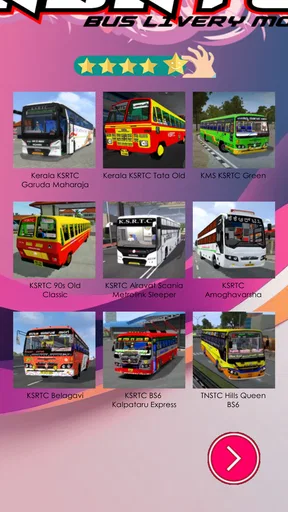
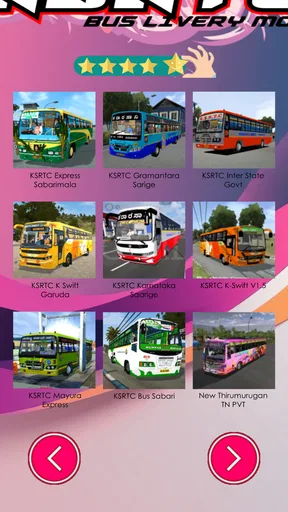
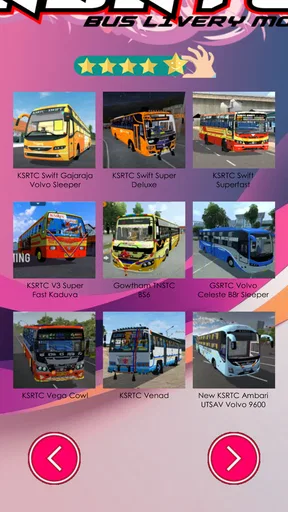
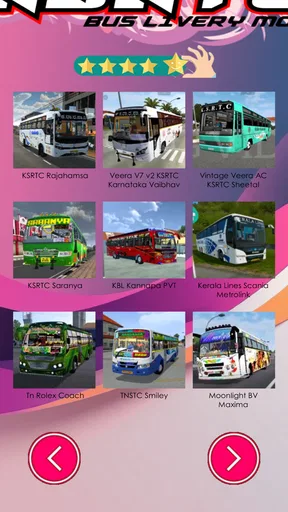
 Analüüsi koostas AppCompare
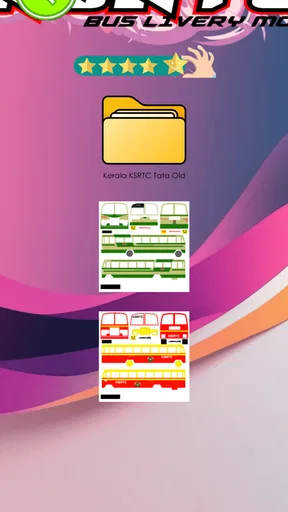
Ksrtc Bus Livery Mod on Android is a small, focused app for people who enjoy customizing bus simulator experiences with a KSRTC-style livery. I approached it as a practical tool rather than a complete driving game, and that distinction matters from the first minute. Its store description points toward modding an Indonesian bus simulator with Indian bus lighting and livery, so the real question is not whether it replaces a simulator, but whether it makes adding a visual bus modification easier.
In my experience, this kind of app appeals most to players who already spend time inside a compatible bus simulator and want a more regional, recognizable appearance. If you only want to drive immediately, without handling a modification workflow, it may feel less convenient than a normal standalone bus game. If you enjoy adjusting the look of vehicles and trying different community-style designs, the focused approach makes more sense.
What the app is really for
The developer is ModBus, and the app belongs to the cars and vehicles category. It is free, carries a PEGI 3 age rating, and has reached over 100 thousand installs. Those details give a useful picture: this is an accessible utility for a broad audience, not an advanced professional design application or a full simulator with its own driving campaign.
The current version is 1.9, and the app runs on Android 6.0 or later. That relatively broad system compatibility is helpful if you use an older phone, although compatibility with the underlying simulator is a separate matter. Installing the app successfully does not automatically mean that every bus simulator version will recognize a modification in exactly the same way.
The public response is encouraging, with an average rating of 4.4 from more than 700 ratings and over 160 written reviews. I would treat that as a sign that the basic idea works for many users, while still remembering that mod-related apps can behave differently depending on the simulator, device storage, Android version, and the precise installation steps followed by the user.
Where the first problems usually appear
The most common point of confusion is expecting the app to behave like a normal game. You open it, look for a driving mode, and wonder where the routes, steering controls, or bus selection are. That expectation is understandable, but the title and description indicate a livery modification purpose. The useful result is the visual customization, not a separate driving experience inside this app.
A second sticking point is assuming that choosing a livery is the same as applying it. In a simulator-mod workflow, there is usually a handoff between the customization app and the game that will display the bus. If the bus remains unchanged, I would first check whether the selected design was actually saved or exported through the available in-app action, then reopen the simulator and inspect its bus or mod selection area.
Tasub enne valimist lugeda

Xiaomi ilmarakendus aitab päeva planeerida, kuid kogukonda ei loo

PLAYit leiab telefonist peaaegu iga video, kuid mugavusel on hind

TikTok Lite viib lühivideod väiksema andmekuluga kaugemale

Prime Video võit sõltub sellest, mida vaataja telefonis leiab
Moovit ei juhi busse, kuid mõjutab seda, kuidas linnas liigume
Nädala valik: Microsoft 365 Copilot aitab tööga kiiremini alustada
Another practical issue is choosing the wrong target. The description refers to an Indonesian bus simulator and Indian bus modification themes, which means the visual material is aimed at a particular type of simulator setup. If you try to use it with an unrelated driving game, a different simulator edition, or a title that handles vehicle files in another way, the app may appear to do nothing even though the problem is compatibility rather than a broken installation.
There is also a difference between seeing a preview and seeing the finished result during play. A livery can look correct in a selection screen but appear misaligned on the in-game model if that model uses different proportions or texture areas. I would not judge the result only from a thumbnail. The proper test is to load the bus in the simulator, check both sides and the rear, and confirm that the important markings are not hidden by the model.
Setup checks that save time
I recommend starting with a clean, simple setup. Install the app on a supported Android device, open it once, and identify the exact livery or modification you want before changing anything else. Avoid trying several designs at once. When something fails, a single selected option makes it much easier to tell whether the issue came from the app, the simulator, or the way the modification was applied.
Before launching the simulator, close it completely rather than leaving it suspended in the background. Some games keep their previous visual state in memory, so returning to them immediately can make a successful change look unsuccessful. Relaunching gives the simulator a better chance to refresh its bus assets.
It is also worth checking the available storage and keeping the phone’s system reasonably up to date within its supported range. I am not suggesting that the app needs unusual hardware; rather, modification workflows can become unreliable when the device is nearly full or when Android is aggressively stopping background activity. A little free space and a fresh launch remove two avoidable variables.
When the app presents a save, apply, or similar action, wait for that action to finish instead of switching away immediately. A quick tap followed by opening the simulator may interrupt the handoff. My practical habit would be to make one change, allow the screen to settle, then open the simulator from a clean start.
Do not overwrite several existing modifications while testing. If the simulator already contains a customized bus, temporarily return to a standard selection if that is possible, then apply the new livery. This creates a useful baseline. Without one, two different modifications can conflict visually and make it difficult to identify which one is responsible.
A calmer workflow for applying a livery
My preferred workflow is deliberately conservative. First, decide which bus model in the simulator should receive the design. Second, select one livery in the app and complete the available application step. Third, close and reopen the simulator. Finally, inspect the bus from more than one angle before deciding that the process failed.
Choose one target bus and one design rather than testing multiple combinations.
Finish the app’s selection or save action and give it a moment to complete.
Restart the simulator instead of relying on its previous session.
Check the front, sides, rear, and any lighting-related area visible in the simulator.
If the result is wrong, remove the latest change or return to the previous known working choice before trying again.
This sequence is more useful than repeatedly tapping the same option. Repetition without resetting the simulator does not reveal whether the problem is a stale session, an incorrect bus target, or a genuine incompatibility. The key insight is to change one variable at a time.
If the bus appears but the design is not perfect, I would first check whether the selected livery was intended for that particular model. A texture can technically load and still look poor because its panels do not match the body layout. That is a limitation of the relationship between a livery and a 3D bus model, not necessarily a failure of the app.
Lighting deserves separate attention. The store summary mentions Indian bus lighting alongside livery modification, but the visible outcome depends on how the simulator renders lights and how the selected bus model uses its texture or lighting areas. If the body design appears correctly while lights look unchanged, I would inspect the simulator’s own lighting settings and test the modification on the intended model rather than assuming the entire package failed.
When the app is not the cause
It is easy to blame the customization app when the simulator itself is the part refusing the change. A game update can alter the way it reads visual assets, rename a bus, or replace an older model. In that situation, an app that worked previously may need a different workflow, while reinstalling it repeatedly achieves nothing.
The same applies when only one bus fails and another displays the design correctly. That pattern points toward a model-specific mismatch. Testing a second compatible bus is a useful diagnostic step because it separates a general installation problem from a problem limited to one vehicle.
If the simulator crashes after applying a modification, return to the last working configuration before experimenting further. Remove the newest change if the game allows it, restart the device, and test the simulator without the modification. If the game remains unstable even in its normal state, the cause is probably outside this app. I would avoid making many changes at once, because that can turn a small compatibility issue into a confusing recovery job.
Android storage behavior can also create misleading symptoms. A file or selection may seem to disappear after the app is closed if the workflow was not completed, or if the simulator stores its own copy separately. Checking the app again and then reopening the simulator is more useful than assuming that the livery has been permanently installed everywhere on the phone.
Users should also keep expectations realistic about support. This is a focused free utility, not a full troubleshooting suite for every bus simulator. If your preferred game uses a completely different mod system, the better choice is a customization tool made specifically for that game, or the simulator’s own built-in livery editor if it has one.
Everyday use: a realistic example
Imagine that I have a few minutes before a trip and want my simulator bus to resemble a familiar regional service rather than the default vehicle. I would open the app, select the KSRTC-oriented design, apply it once, and then restart the simulator. Before beginning a long route, I would take a moment to inspect the bus in the selection or preview view. If the front looks correct but the side panels are shifted, I would change the bus model instead of wasting time repeatedly reinstalling the app.
That small check is important because it prevents a visual problem from appearing halfway through a long session. It also shows where this app is strongest: quick visual variety for an existing simulator player. It is less suitable for someone who wants a complete play session with no setup, because the value comes before the driving begins.
How it compares with usual alternatives
Compared with a standard bus simulator, this app is narrower but potentially more useful for customization. A simulator gives you routes, controls, and driving activity; this app is aimed at changing the vehicle’s appearance. Comparing them as direct substitutes would be unfair. The practical choice depends on whether your priority is playing immediately or preparing a more distinctive bus.
Compared with a general image editor, the advantage here is relevance. You do not have to design every panel from an empty canvas if the available modification already matches the kind of bus look you want. The trade-off is flexibility: a general editor may offer more control over colors, logos, and layout, while this focused app is better for a ready-made thematic result.
Compared with the simulator’s own customization options, the external approach can offer a different visual direction, especially for users interested in Indian bus styling. However, built-in tools are usually simpler when they are available because they are already connected to the game’s models. I would choose this app when its specific KSRTC-style look is the main reason for customizing, not merely because it is the easiest possible editor.
Who should use it and who should skip it
I would recommend it to Android users who already play a compatible Indonesian bus simulator, enjoy regional bus designs, and are comfortable following a short apply-and-restart routine. It is also a reasonable option for younger players because of its PEGI 3 classification, although an adult may still need to help with the technical setup if the simulator’s modification workflow is unfamiliar.
I would skip it if you are looking for a standalone driving game, a detailed vehicle editor, or guaranteed compatibility with every bus simulator. It is also not the right first choice if you dislike troubleshooting visual assets. The app’s focused purpose is its strength, but that same focus means it cannot replace the broader features of a simulator or the creative freedom of a full graphics editor.
One useful trade-off is that the free price makes experimentation low-risk, but free does not mean friction-free. The time cost comes from identifying the correct simulator target, restarting at the right moment, and checking the result on the actual bus model. For a player who enjoys that process, the effort is minor. For someone who wants instant results, even a small setup step may feel excessive.
My practical verdict
After looking at it as a working customization tool, I see Ksrtc Bus Livery Mod as a specialized companion for bus simulator fans rather than a game in its own right. Its appeal lies in giving a compatible simulator a more distinctive KSRTC-inspired appearance, particularly for players who want Indian bus styling and lighting-related visual changes.
The best results come from using one modification at a time, restarting the simulator, and checking the design on the exact bus model intended for it. Those habits also make troubleshooting much less frustrating. If the livery loads but looks misaligned, investigate the model match; if nothing changes, check the simulator workflow and session state before reinstalling anything.
ModBus has kept the concept straightforward, and the strong average rating suggests that many users find that focus worthwhile. My recommendation is positive but specific: install it if you already have the right simulator and want a quick visual change. If you need routes, driving controls, broad editing tools, or universal mod compatibility, choose a full simulator or a dedicated editor instead. For the narrower job it targets, this free Android app is a useful addition when approached with realistic expectations.
Plussid
- Muudab busside välimuse värvilisemaks ja realistlikumaks.
- Sobib hästi Keralaga seotud bussisõidu mängudele.
- Paigaldamine on üldiselt lihtne ja kiire.
- Modifikatsioon lisab mängule värskema visuaalse ilme.
- Võib töötada ka tagasihoidlikuma jõudlusega seadmetel.
Miinused
- Ühilduvus sõltub kasutatavast mängust ja selle versioonist.
- Mõne bussi tekstuur võib olla ebatäpne või madala kvaliteediga.
- Modi kasutamine võib nõuda algsete failide varukoopiat.
- Ametlik tugi ja regulaarsed uuendused võivad puududa.
- Kolmandate osapoolte failidega võivad kaasneda turvariskid.
Korduma kippuvad küsimused: Ksrtc Bus Livery Mod
Mis on Ksrtc Bus Livery Mod ja mida see rakendus pakub?
Ksrtc Bus Livery Mod on tavaliselt bussisimulaatorimängu jaoks mõeldud modifikatsioon, mis lisab mängu Karnataka osariigi transpordiettevõtte KSRTC busside kujundusi, värvilahendusi ja logosid. Pärast paigaldamist võib mängija saada realistlikuma välimusega bussid ning mõnel juhul ka uusi tekstuure või sõidukeid. Täpne sisu sõltub kasutatavast mängust ja modi versioonist.
Millise mängu või bussisimulaatoriga Ksrtc Bus Livery Mod ühildub?
Enne allalaadimist tuleb kindlasti kontrollida, millise bussisimulaatori jaoks mod loodud on. Nimetus Ksrtc Bus Livery Mod võib viidata erinevatele mängudele ning kõik versioonid ei tööta omavahel. Kontrollige mängu nime, Androidi või iOS-i versiooni, modi väljaandmise kuupäeva ja paigaldusjuhiseid. Vale fail võib jääda mängus nähtamatuks või põhjustada tõrkeid.
Kuidas Ksrtc Bus Livery Mod Androidi või iOS-i seadmesse paigaldada?
Paigaldus sõltub sellest, kas tegemist on eraldi rakenduse, mängu lisafaili või tekstuuripaketiga. Androidis tuleb sageli fail alla laadida, lahti pakkida ja kopeerida mängu kindlasse kausta, kuid iOS-is võivad failisüsteemi piirangud muuta käsitsi paigaldamise keerulisemaks. Kasutage ainult usaldusväärseid allikaid ning järgige modi enda juhiseid, sest ebaõige paigaldus võib olemasolevad mänguandmed rikkuda.
Kas Ksrtc Bus Livery Mod on tasuta ja kas sellega kaasnevad reklaamid?
Paljud sellised modifikatsioonid on tasuta, kuid allalaadimisleht võib sisaldada reklaame, vahendavaid allalaadimisnuppe või tasulisi lisafunktsioone. Enne faili avamist kontrollige, mida täpselt paigaldate, ning vältige tundmatuid rakendusi, mis küsivad ebavajalikke õigusi või makseandmeid. Samuti võib modi kasutamine sõltuda algse mängu litsentsist ja arendaja reeglitest.
Kas Ksrtc Bus Livery Mod on ohutu kasutada ja mida peaksin enne paigaldamist kontrollima?
Ohutus sõltub täielikult allalaadimisallikast ja faili päritolust. Enne paigaldamist kontrollige kasutajate arvustusi, faili suurust, värskendamise kuupäeva ning seda, kas mod nõuab juurdepääsu kontaktidele, sõnumitele või muudele ebavajalikele andmetele. Tehke mängu salvestustest varukoopia, kasutage võimalusel viirusetõrjet ja pidage meeles, et mitteametlik mod võib pärast mängu uuendamist lakata töötamast.


